Category Cognitive Abilities

What Is Retrieval Fluency?

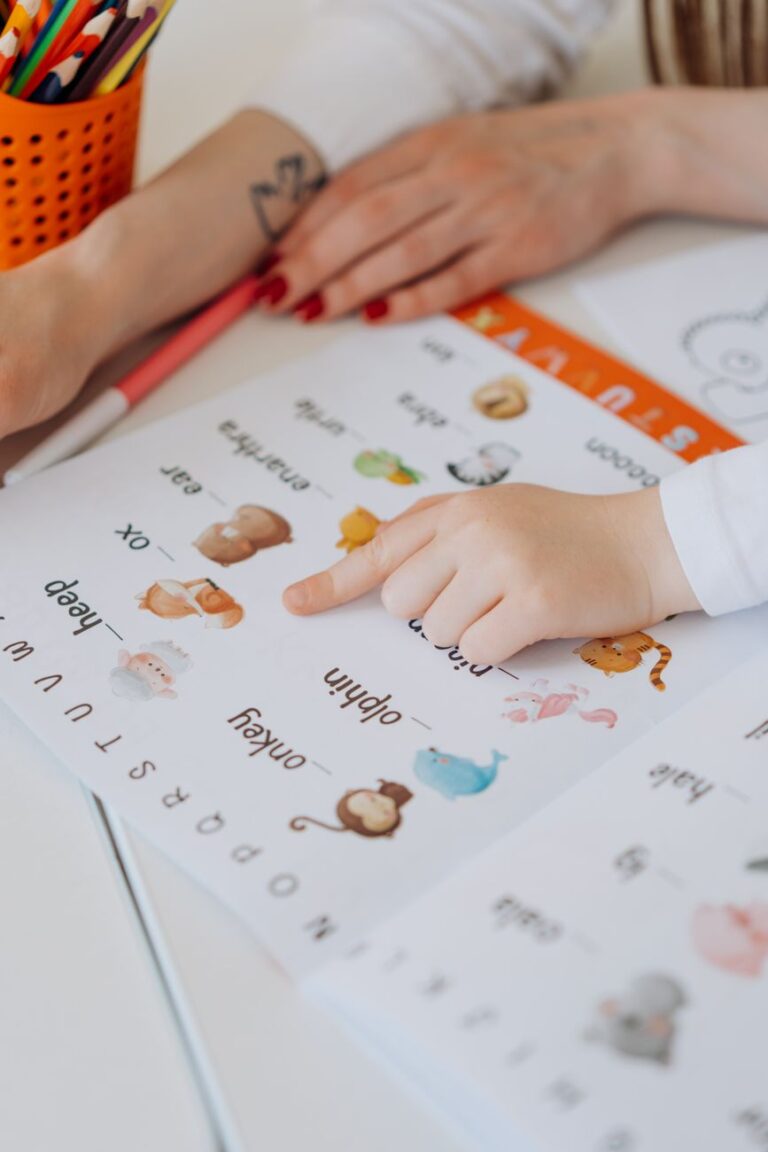
A child points to animals in a colorful alphabet book, learning letters.

Name as many animals as you can in one minute. At first, examples may arrive easily: dog, cat, horse, elephant. Then retrieval slows. You may switch to a category—birds, sea animals, farm animals—to generate more.

What Is Learning Efficiency?

learn, word, scrabble, letters, wooden, gray learning, gray letter, learn, learn, learn, learn, learn, scrabble

Two people encounter the same unfamiliar material several times. One reaches accurate recall after relatively little exposure; the other needs more repetitions. Days later, however, their retention may look different again.

What Is Metacognition?

Vibrant stack of sticky notes with a blue cloud-shaped speech bubble on a white background.

You answer a difficult question and feel only 55 percent confident. Instead of submitting immediately, you check your reasoning. On another question, you know that you do not know the answer and decide to look it up.

What Is Planning?

write, phone wallpaper, notebook, pen, hand, paper, notes, aesthetic wallpaper, iphone wallpaper

You need to arrive at an airport by 06:00. That goal alone is not a plan. You must work backward from departure time, estimate travel and security time, decide when to leave, arrange transport, identify dependencies and perhaps prepare alternatives if something goes wrong.

What Is Cognitive Flexibility?

A man in a challenging yoga pose on a mat indoors, showcasing balance and flexibility.

A strategy works repeatedly, and then the problem changes. The old strategy is still available—perhaps even automatic—but continuing to use it now produces the wrong result. Successful performance requires recognizing that the situation has changed and reorganizing what you are doing.

What Is Inhibitory Control?

A hand strategically stops falling blue and red domino blocks on a table.

Your phone lights up while you are driving. The notification automatically attracts attention, and checking it is an available response. Not checking requires the current goal—driving safely—to remain more influential than the competing impulse.